
Mahalaya Amavasya
October 10, 2026
Mahalaya Amavasya is one of the most revered occasions in the Hindu tradition for honouring departed ancestors. Also known as Sarva Pitru Amavasya, it marks the culmination of Pitru Paksha, the sacred fortnight devoted to ancestral remembrance, offerings, and prayers.
Its significance reaches beyond remembering those we have lost. It concerns Pitri Rina our sacred obligation to the generations through whom we received life and the belief that offerings made with faith support the peace and spiritual upliftment of the departed while inviting blessings for their descendants.
At the threshold of Navaratri, Mahalaya Amavasya calls us to reflect on our origins, fulfil our ancestral duties, and prepare ourselves for the worship of the Divine Mother.
Pitru Runa: Our Sacred Ancestral Debt
Hindu tradition teaches that we enter life with sacred obligations to the Divine, to the sages who preserved spiritual wisdom, and to our ancestors.
Our inheritance extends beyond the physical body. It includes the care that sustained our families, the knowledge passed from one generation to another, and the sacrifices that made our lives possible. Pitri Rina recognises this enduring connection.
We honour this debt through ancestral rites, acts of charity, righteous living, and the preservation of dharma. Mahalaya Amavasya provides a special occasion to fulfil these responsibilities with conscious devotion.

Why Is It Called Sarva Pitru Amavasya?
Sarva Pitru refers to all ancestors. While individual shraddha observances follow the departed person’s death tithi, Mahalaya Amavasya is an occasion for remembering the ancestral lineage collectively.
It includes those whose names have been forgotten, whose death anniversaries are unknown, or whose rites could not be observed at the appropriate time. Families follow their own traditions and priestly guidance in making these offerings.
The day gives expression to a generous prayer: may all those who came before us receive peace, satisfaction, and spiritual upliftment.
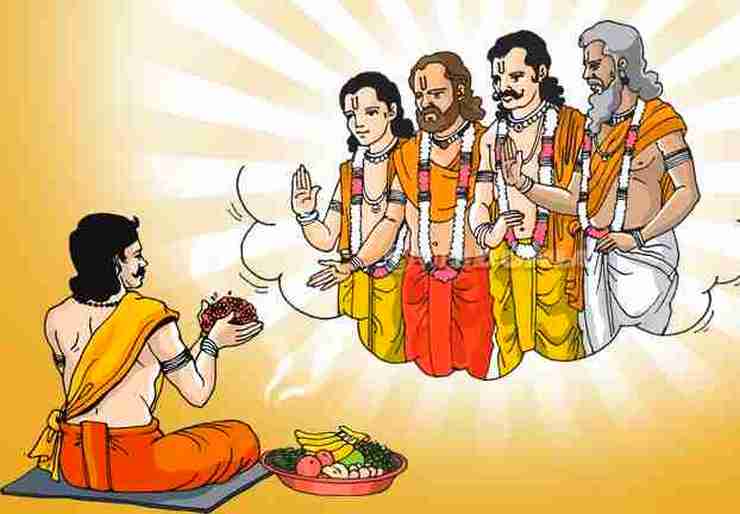
The Scriptural Foundation of Ancestral Worship
The Mahabharata: The Duty of Ancestral Offerings
In the Anushasana Parva, Bhishma teaches the importance of shraddha and offerings to departed ancestors. He specifically describes Amavasya as a time for ancestral offerings and explains the sacred role of Agni in the rites.
These teachings establish ancestral worship as part of the householder’s dharma - a responsibility fulfilled through attentive prayer, prescribed offerings, and generosity.
The Markandeya Purana: Blessings Across Generations
Chapter 32 of the Markandeya Purana describes ancestors pleased by shraddha as bestowing longevity, wisdom, prosperity, learning, and spiritual blessings upon their descendants.
This expresses the traditional understanding that the relationship between generations continues beyond physical life. Descendants offer with faith and reverence, seeking the welfare of the departed and receiving their blessings in return.
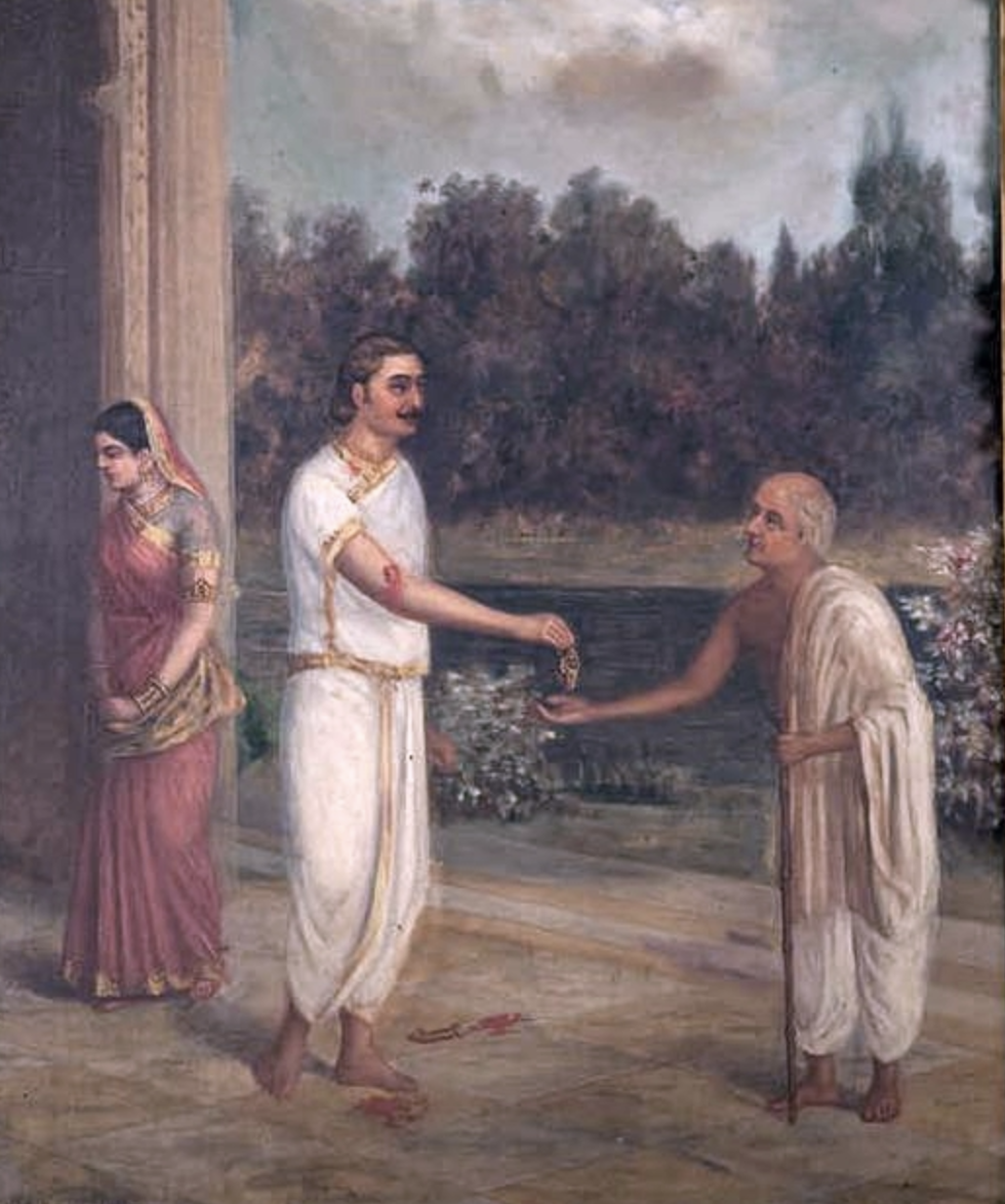
The Traditional Story of Karna
A familiar story associated with Pitru Paksha recounts that Karna, renowned for his generosity, received gold and jewels instead of nourishment in heaven. He learned that his gifts of wealth had not included ancestral food offerings and was permitted to return to earth to make them.
Retold in different forms, this traditional story illustrates the sacred importance of annadanam, the gift of nourishment. Wealth has its place in charity, but feeding another being answers an immediate and essential need.
Peace for the Departed, Blessings for the Living
Traditionally, ancestral offerings are made for the peace and spiritual upliftment of the departed and to seek blessings for their descendants. Devotees pray for longevity, wisdom, prosperity, family harmony, and progress in dharma.
These observances also ask something of the living: to remember with sincerity, give generously, and consider the inheritance we will leave behind.
Mahalaya Amavasya is therefore a day of responsibility as well as reverence. The values we practise, the kindness we extend, and the spiritual discipline we cultivate are part of what future generations receive from us.
Mahalaya Amavasya and the Beginning of Navaratri
The movement from Mahalaya Amavasya into Navaratri carries a beautiful devotional meaning. Having honoured the generations through whom we received life, we turn towards the Divine Mother, the source and sustainer of all creation.
Ancestral remembrance prepares the heart through gratitude and humility. Navaratri invites us to deepen that inward movement through puja, mantra japa, sacred reading, and meditation.
Whether worshipping at a temple or at home, set aside time to be in the Mother’s presence. Light a lamp, recite Her names, and offer your sadhana with faith.
Observance at the Ashram
The Ashram will observe Mahalaya Amavasya with a special Amavasya Homa. Devotees may join in prayer, remembering departed loved ones and seeking divine grace for their peace, spiritual upliftment, and the wellbeing of their families.
For participation and sankalpa details, please contact the Ashram. Personal ancestral rites should follow the guidance of your family tradition and priest.
May our ancestors be blessed with peace, may the generations to come be rooted in dharma, and may the Divine Mother guide us towards wisdom and liberation.
Poojas
Oct 10, 2026 Saturday


